Alissa Heinerscheid: Trailblazing Marketer with Triumphs and Controversies
From Bud Light’s First Female VP to a New Chapter at LIV Golf

Introduction
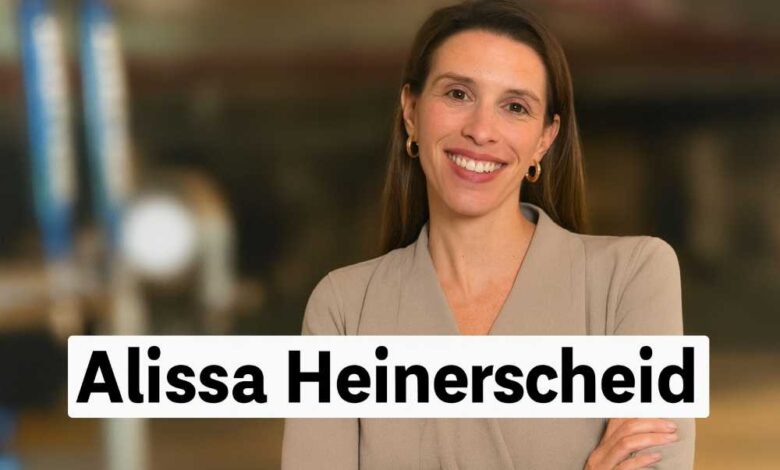
Alissa Heinerscheid has become one of the most talked-about names in global marketing over the past few years. Rising to prominence as the first woman to lead Bud Light’s marketing division, her career has been marked by bold decisions, historic milestones, and high-profile controversies. Whether viewed as a visionary leader striving to modernize an iconic brand or a risk-taker whose strategies brought unexpected challenges, Heinerscheid’s journey is both inspiring and instructive.
Her story is not only about one executive’s professional path but also about the broader dynamics of branding, inclusivity, and the shifting cultural landscape. In 2025, she turned a new page by joining LIV Golf, a move that has once again placed her in the global spotlight.
Quick Bio
| Attribute | Details |
|---|---|
| Full Name | Alissa Gordon Heinerscheid |
| Nationality | American |
| Education | Harvard University (Undergraduate), Wharton School – University of Pennsylvania (MBA) |
| Known For | First female Vice President of Marketing at Bud Light |
| Notable Role | Joined LIV Golf in 2024 in Business Operations |
| Family | Married with three children via surrogacy |
| Personal Note | Cancer survivor |
Early Education and Academic Excellence
Alissa Heinerscheid’s academic record is nothing short of impressive. She studied at Harvard University, where she cultivated her analytical skills and broadened her global outlook. Following Harvard, she pursued an MBA at the Wharton School of the University of Pennsylvania, one of the most prestigious business schools in the world.
These institutions not only gave her academic credentials but also exposed her to networks of thought leaders, mentors, and peers who shaped her business perspective. Her education became the foundation on which she built a marketing career that emphasized both innovation and inclusivity.
Career Beginnings
Heinerscheid’s career began in consumer goods and marketing roles, giving her hands-on experience in brand building and strategy. Her early years were spent learning how iconic products interact with audiences, and how effective campaigns could shape consumer behavior.
This experience prepared her for larger roles in global corporations. Her ability to combine data-driven strategy with creative thinking allowed her to stand out in a highly competitive industry.
Breaking Barriers at Bud Light
In July 2022, Alissa Heinerscheid made history when she became the first woman ever to lead Bud Light’s marketing in over four decades. This achievement alone cemented her legacy as a trailblazer in the male-dominated beverage industry.
Her vision was clear: transform Bud Light’s image from one reliant on traditional humor and “frat-like” appeal into a brand that resonated with diverse, modern audiences. She sought to elevate Bud Light beyond stereotypes, making it more inclusive and socially relevant.
Bold Campaigns and Rising Challenges
As Bud Light’s VP of Marketing, Heinerscheid was responsible for several high-visibility campaigns. One of the most notable was the crossover Super Bowl advertisement with Game of Thrones, which received global attention for its creativity.
However, her tenure was not without turbulence. A partnership with transgender influencer Dylan Mulvaney in 2023 sparked a massive public backlash. Sales dipped, boycotts grew, and the campaign became one of the most polarizing moments in recent corporate history. Critics argued that her attempt at inclusivity alienated core consumers, while supporters praised her for taking a stand.
This moment highlighted the positive and negative consequences of bold leadership: pushing boundaries can inspire progress but also trigger resistance.
Leave of Absence and Departure
Following the controversy, Alissa Heinerscheid took a leave of absence from Anheuser-Busch in April 2023. It soon became clear that she would not return to her Bud Light role, marking the end of a high-profile chapter in her career.
Though she left the company, her impact on Bud Light and the debates surrounding corporate responsibility remain ongoing. Her story has since become a case study in marketing classes and business discussions about the risks of cultural branding.
A New Chapter with LIV Golf
In 2024, Alissa Heinerscheid took a significant step by joining LIV Golf, the Saudi-backed professional golf league. Her role, described as Team Business Operations, began in September 2024 and represented both a fresh start and an opportunity to redefine her professional identity.
The move placed her back in headlines, this time in the world of sports and event marketing. For Heinerscheid, LIV Golf offered a new platform to showcase her business acumen while navigating another highly scrutinized global brand. It also signaled her resilience and determination to keep moving forward despite past setbacks.
Personal Life and Resilience
Beyond her corporate career, Alissa Heinerscheid is also known for her personal resilience. She is a cancer survivor, an experience that shaped her outlook on life and leadership. She is married and has three children, all born through surrogacy, a journey she has spoken about with honesty and pride.
During the COVID-19 pandemic, she launched a project called “100 Women in 100 Days”, interviewing women about their “worry boxes” — what concerns weighed most heavily on them. This initiative reflected her empathy, curiosity, and commitment to human connection, qualities she also brought into her professional life.
Legacy and Public Perception
Alissa Heinerscheid’s legacy is complex but impactful. She will always be remembered as the first woman to lead Bud Light’s marketing, breaking barriers in a global corporation. Her tenure is also a reminder of the risks companies face when they attempt to engage in cultural conversations through branding.
While some view her Bud Light campaign as a misstep, others recognize it as a brave move that pushed corporate America to confront questions of inclusivity and representation. With her new role at LIV Golf, she has a chance to reshape her professional narrative and prove her adaptability in yet another challenging industry.
Her career demonstrates that leadership comes with both triumphs and controversies, and that true resilience lies in moving forward despite criticism.
Conclusion
Alissa Heinerscheid’s story is one of vision, risk, and resilience. From breaking barriers at Bud Light to facing the storm of controversy, she has experienced the highs and lows of corporate leadership on a global stage. Now at LIV Golf, she begins another chapter, one that could further solidify her legacy as a bold marketer unafraid to embrace change.
Her biography reflects not just her own journey, but the broader challenges faced by businesses navigating identity, inclusivity, and brand evolution in today’s world.
Frequently Asked Questions (FAQ)
Q1: Who is Alissa Heinerscheid?
Alissa Heinerscheid is an American business executive best known as the first female Vice President of Marketing for Bud Light.
Q2: What is Alissa Heinerscheid’s current role?
As of 2024, she joined LIV Golf in a business operations role.
Q3: What is her educational background?
She studied at Harvard University and earned an MBA from the Wharton School, University of Pennsylvania.
Q4: Why did she leave Bud Light?
She left after a controversial marketing campaign involving influencer Dylan Mulvaney sparked backlash in 2023.
Q5: What makes her story significant?
She represents both the opportunities and challenges of modern marketing, highlighting how bold strategies can bring both recognition and criticism.